

Why Church Camp Still Matters: And the Story of Camp Kikomar
 Church camp is one of the most powerful tools the Church has to engage, disciple, and ignite the faith of young people. It’s where kids unplug from distractions, encounter Jesus in a fresh way, build real friendships, and discover that they have a place and purpose in God’s family.
That’s the heartbeat behind Camp Kikomar—a unique Christian camp located right on the beach of the Gulf Coast near Tuxpan, Mexico. Over the years, this seaside sanctuary has become a vital space for local churches, youth groups, ministries, and families to connect, be refreshed, and grow deeper in their walk with Christ.
But Camp Kikomar didn’t start with pristine cabins and ocean breezes. It started with a vision.
In the 1960s, Juan Isáis—a Mexican missionary—and his wife Elisabeth, an American missionary, moved to Mexico with a dream to see youth reached for Christ. Their time serving across Latin America and the U.S. left a lasting impression: camps have a way of capturing hearts for Jesus in a way few other environments can.
In 1995, that vision took root when Juan and Elisabeth purchased the first parcel of beachfront property near Tuxpan. They later added a second lot in 1997, dreaming of what this land could become. At the time, it was wild and undeveloped—no electricity, no bathrooms, just tents and a hope that God would use it.
By the early 2000s, Juan had passed away, and the camp struggled to stay afloat. But God wasn’t done with Camp Kikomar.
 In 2007, Diana, a long-time missionary with CFCI, and her teammate Mirna, moved from the outskirts of Mexico City to the Camp Kikomar site—unsure of what the future held, but certain that God had called them there. The early years were filled with sweat, prayer, and perseverance—tearing down what didn’t work and slowly building up new infrastructure, one step at a time.
With the help of a faithful church partner eight hours away and annual construction teams from Canada, the camp began to transform. In 2015, the dining hall and kitchen were inaugurated—turning the camp from a hopeful project into a fully functioning space for ministry.
Today, Camp Kikomar can host over 100 people, with eight cabins (including jungle-style youth cabins with hammocks!), plenty of tent space, and staff who live on-site and treat each guest like family.
What makes Camp Kikomar truly special isn’t just the location—though it is the only Christian camp on the beach in the region! It’s the heart behind it.
Camp Kikomar doesn’t run its own programming. Instead, they come alongside churches, youth leaders, and ministries—equipping them to run their own camps and retreats. They provide facilities, advice on games and counselor training, meals when needed, and a peaceful environment for growth, healing, and encounter.
And it’s not just about youth. Local churches come for baptisms and family days. Pastors send struggling couples to retreat. People wander into camp just needing someone to talk to—and find loving staff ready to listen, mentor, and pray.
 As Diana puts it, “Camp Kikomar is a place of reconciliation—with God and with others.”
That’s not just a motto. It’s a reality that plays out week after week—whether it’s a teen experiencing Jesus for the first time, a youth leader being equipped to lead, or an indigenous family encountering healing and restoration.
After nearly two decades of service, Diana and Mirna are prayerfully preparing for a new season—revitalizing the board, rebuilding the staff, and raising up new leaders who will carry the vision forward. Their dream is to strengthen the camp’s focus on serving indigenous churches, who they call their “VIP guests,” while still welcoming churches and ministries from across Mexico.
They’ve weathered many storms—including the COVID-19 pandemic, financial challenges, and health struggles. But they believe the best days of Camp Kikomar are still ahead.


 Pablo, originally from Colombia, felt the call to missions as a child. After working as a civil engineer, he found himself serving along the banks of the Amazon’s Putumayo River—on the border of Colombia and Peru—where God ignited a deep love for the Peruvian people.

 Though God was faithfully providing through His people, the challenges were relentless—and Nicolas didn’t have a peso to spare.
 Diana suddenly remembered a violin that had been donated just days earlier and was sitting quietly in the storeroom. In that moment, she knew it wasn’t just a donation—it was a gift from heaven meant for this beautiful girl.

 I want to share some important—and very personal—news with you. After 25 years serving as President of Christ For the City International, I will be retiring from my leadership role on June 30.


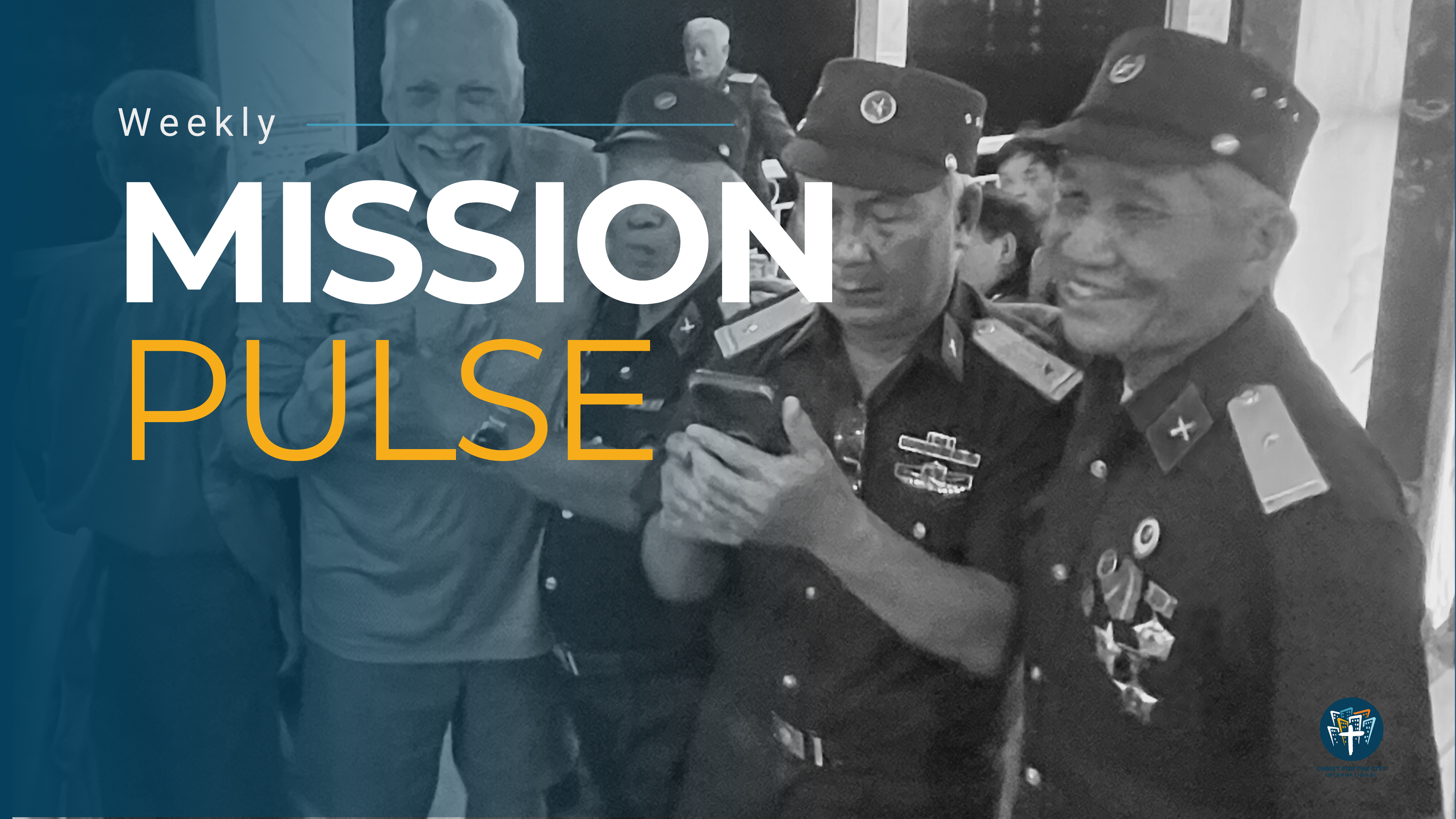
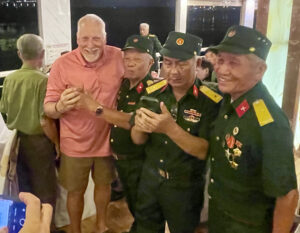 And all Jim could feel was hate.
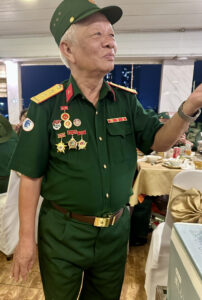 Fifty years of bitterness, grief, and unprocessed trauma—gone in a moment.
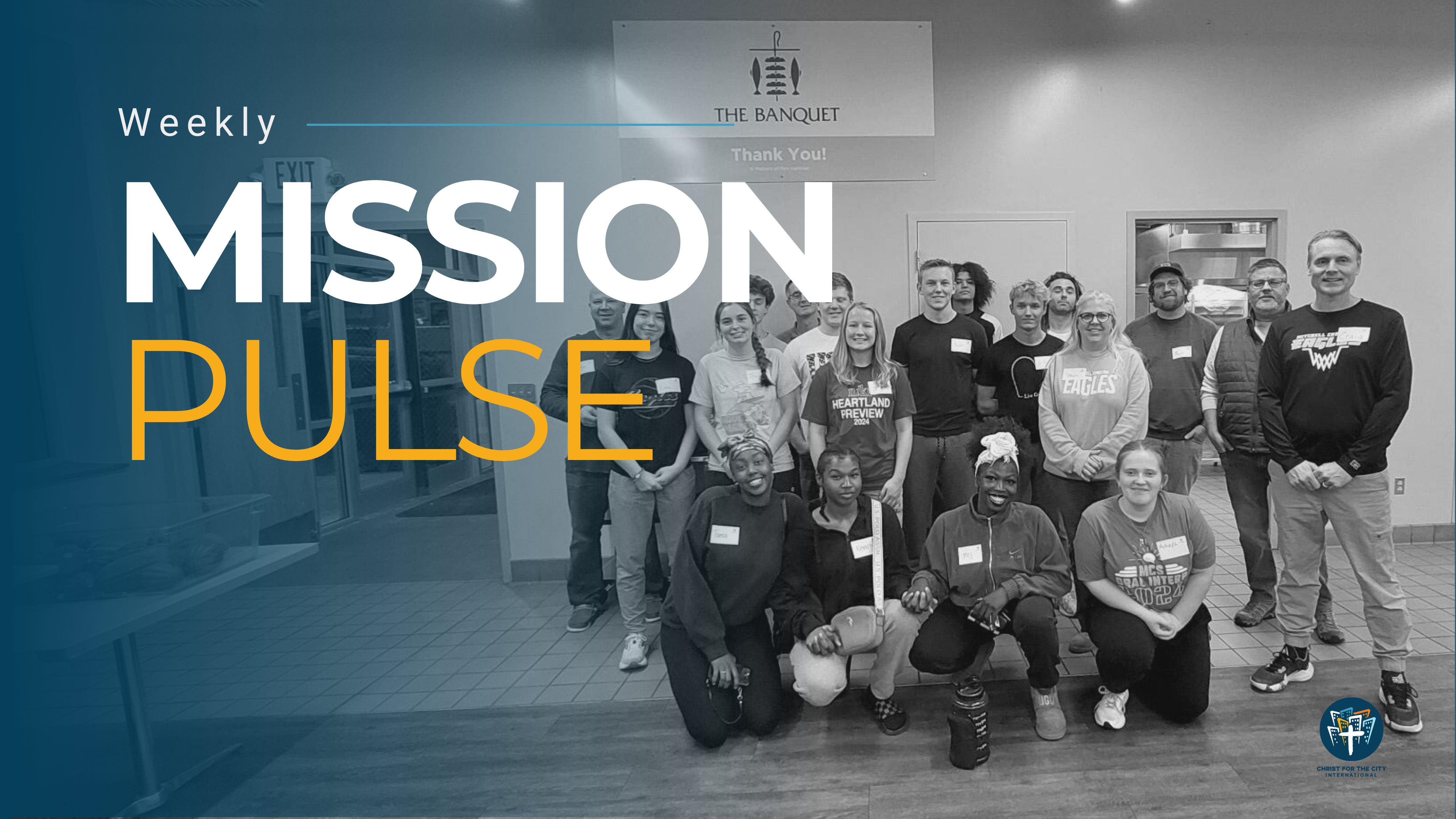
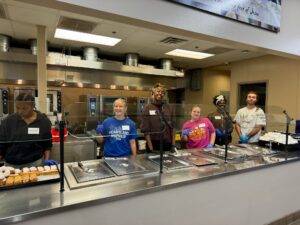
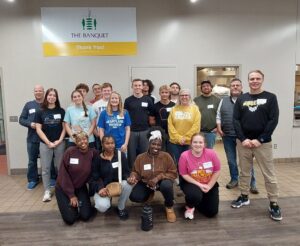 “The students were surprised when we saw some of the same individuals at different missions,” Dawn reflected. “They were challenged to think beyond what they saw and consider what life might really be like for these families. Watching them jump in, serve, and interact with both the workers and those in need was a joy.”
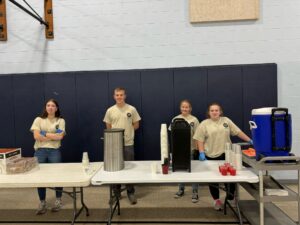 For Trudie, 16, the experience was a powerful reminder of the joy in serving Jesus.
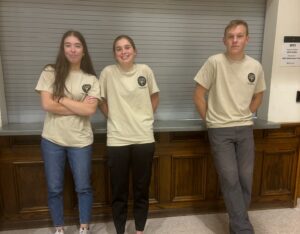
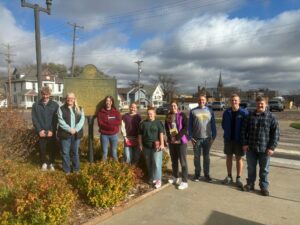

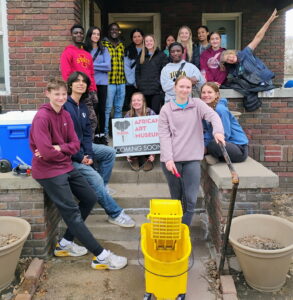 Jonathan, the Omaha Urban Plunge facilitator, saw a shift happen. “By the end of the trip, they truly became the hands and feet of Jesus—not just to the people they served in Omaha, but to each other,” he said. “I believe they will carry that attitude back to their school and community in Iowa.”
 Adrian saw the power of prayer in a whole new way, understanding that hurt is real, but so is hope—and we’re meant to be part of that hope.
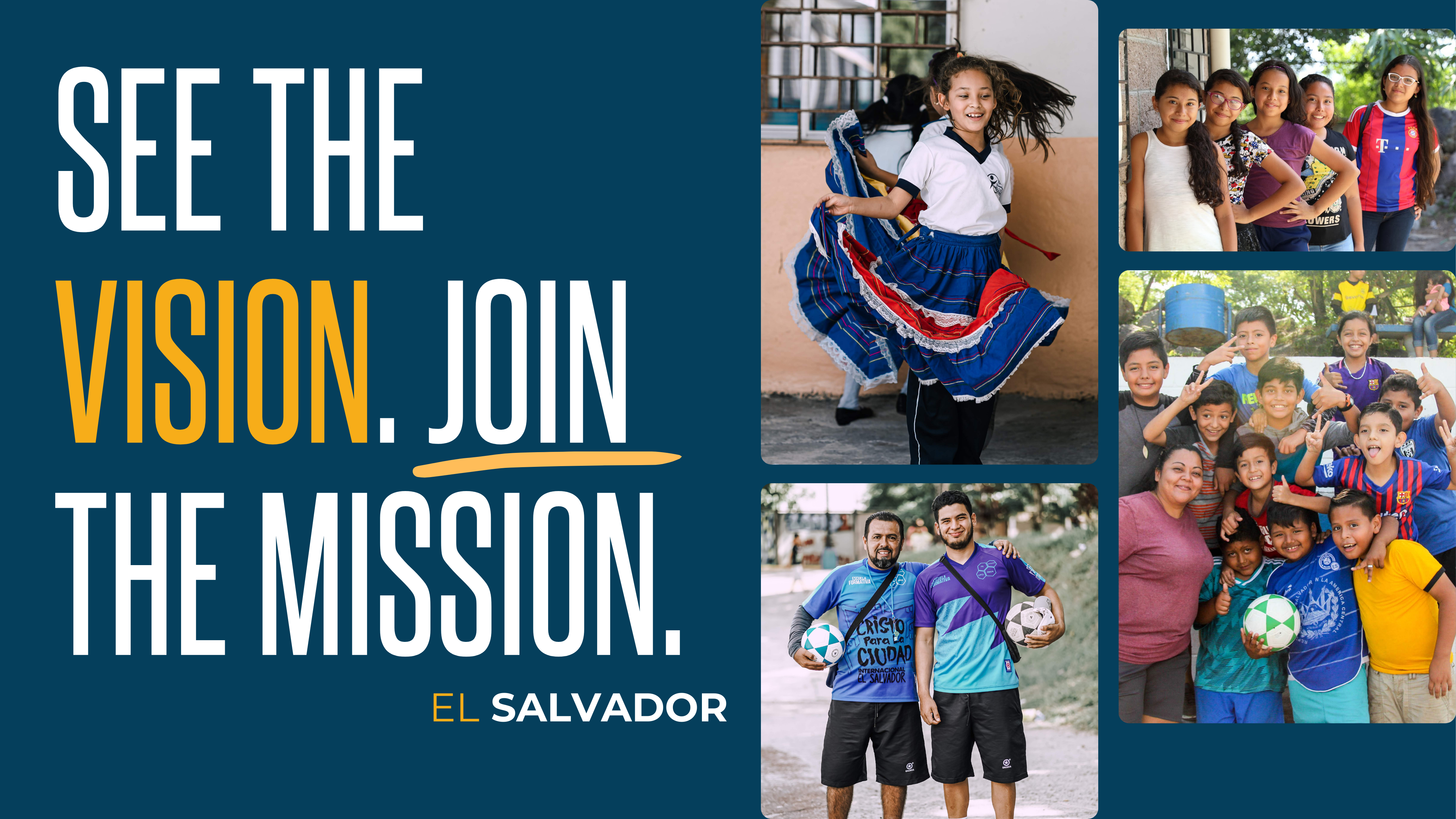
 Now is your chance to experience the life-changing work of Christ For the City International in person! From June 26-30, we invite you to join us in El Salvador to witness firsthand the incredible transformation happening through our ministries. But hurry—
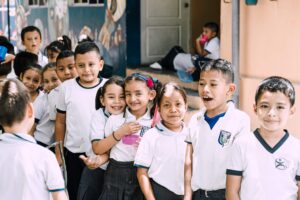 This is more than just a trip. It’s an invitation to see the vision and join the mission. Whether you go, give, or pray, there is a place for you in the story God is writing in El Salvador—and we’d love for you to be part of it.
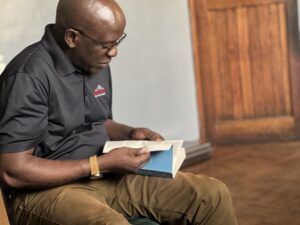 “To hear an inmate sentenced for murder confess that he is forgiven in Christ—this has been one of the most powerful moments I have witnessed,” shares Mubaiwa Mangwende, CFCI Zimbabwe’s base director.
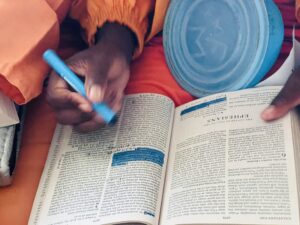 These marked Bibles are now being used in rural and urban communities—and even reaching Kenya and Zambia. With plans to impact over 4,000 inmates, the ministry needs continued prayer and support, especially for transportation to reach more prisons and remote villages.