
Oh, the Places They’ll Go: A Graduation Gift That Shapes Who They Become

Caps fly.
Cameras flash.
Party invites stack up on the counter.

And somewhere between “We’re so proud of you” and “What’s your major again?” there’s a quieter question every senior is asking:

Who am I becoming?

Graduation gifts usually look like money in a card. A new laptop. Dorm décor. Maybe luggage for what’s next.

All good things.

But what if this year, you gave something that doesn’t wear out, power down, or get replaced in four years?

What if you gave an experience that strengthens their faith, builds their confidence, and gives them space to hear God clearly before the next big step?

At Christ For the City International, we see it every year.

When young adults step into mission — something shifts.


A Global Team: The “Trip” That Actually Changes Them

After graduation, many students plan one last big adventure with friends.

A Europe trip.
A beach week.
A “bro trip.”
A girls’ getaway.

And there’s nothing wrong with celebrating.

But what if their post-grad trip wasn’t just fun — it was formative?

A Global Team is designed to be done together.

Your graduate can go with friends, with their youth group, or build a small team of people they already trust and love.

Instead of sightseeing alone, they could spend a week or two serving alongside national missionaries in places like:

  • Guatemala
  • El Salvador
  • Zimbabwe
  • Nicaragua

They’ll participate in children’s ministry, evangelism, prayer walks, outreach, and hands-on community projects — partnering with local leaders who know their communities best.

And here’s what parents often notice afterward:

Serving together bonds friends in a different way.

When they pray together.
When they navigate another culture together.
When they step out in courage together.

The conversations go deeper. The faith becomes more personal. The friendships become stronger.

Ten years from now, they won’t just remember the laughs.

They’ll remember how God met them there.


A Global Ambassador: A Gap Year That Grounds Them

For some graduates, the invitation goes even deeper.

Not just a short-term team experience — but an intentional season set apart.

A Global Ambassador experience is more immersive. More personal. More formative.

Instead of rushing straight into college or career, what if your graduate had space to:

  • Live cross-culturally
  • Serve consistently alongside a CFCI base
  • Be discipled and mentored
  • Develop leadership and responsibility
  • Slow down enough to hear God clearly

They may go on their own.
Or with one close friend.

But this isn’t about group momentum.

It’s about identity.

In a culture that pressures students to “figure it out fast,” a gap year centered on Christ says:

Root yourself first.

We’ve seen students return from a Global Ambassador season more grounded, more mature, and more confident in who God created them to be.

Not because it was easy.
But because it was intentional.


Oh, the Places They’ll Go

Yes — new countries.
New cultures.
New friendships.

But more importantly:

Deeper faith.
Stronger character.
Clearer direction.

This isn’t just about geography.

It’s about formation before foundation.

Before lecture halls.
Before job interviews.
Before the pace of adulthood accelerates.


A Gift That Outlasts Graduation Season

Long after the cake is gone.
Long after the thank-you notes are written.
Long after the gift cards are spent.

An experience like this continues shaping who they become.

If you’re wondering what to give the graduate in your life this spring, consider something bold.

Give them the opportunity to go.
To serve.
To grow.
To listen.
To be stretched.
To be sent.

Explore Global Teams and Global Ambassador opportunities at:

👉 www.cfci.org/go

Because sometimes the best graduation gift isn’t something they unwrap.

It’s somewhere they go.
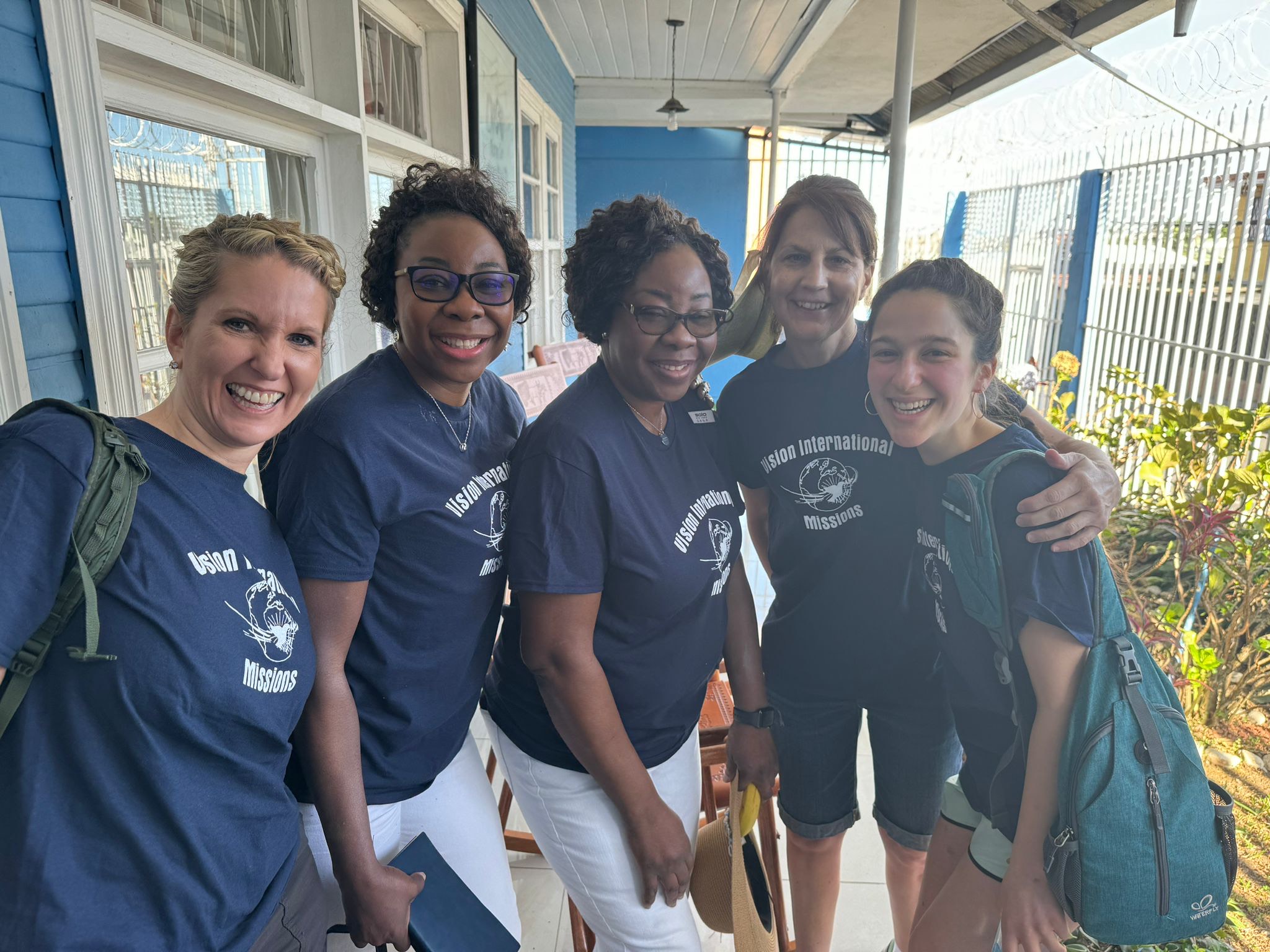
The 8-Year-Old Who Told Her Doctor She’d Be a Missionary

Most eight-year-olds dream about becoming astronauts, athletes, or veterinarians.

Ellie Hyvonen apparently had a different plan.

“At 8 years old, I told my doctor that I wanted to be a missionary when I grew up,” Ellie said with a laugh.

While that might sound unusual for a child, the calling on her life didn’t fade with time—it only grew stronger.

“My journey in missions started at a young age when the Lord tugged at my heartstrings for Haiti,” she said.

By the time Ellie was 11, that tug became impossible to ignore. When a devastating earthquake struck Haiti, she knew she wanted to help in some way.

So she did what any determined middle schooler with a big heart might do—she started a fundraiser.

Ellie began selling handmade jewelry and artwork at church and even vegetables from her family’s farm at the end of the road. Every dollar she raised went toward buying chickens for orphans living on the island of La Gonâve.

“When I saw the pictures of those little kids receiving meat and smiling so big, there was no stopping me,” she said.

Soon after, Ellie traveled to Haiti with her mom and church teams. Those trips became the beginning of something much bigger than she could have imagined.

Throughout high school, Ellie continued looking for opportunities to experience new cultures and serve communities in need. Spring breaks often turned into mission trips, taking her to places like Japan, Hungary, Philadelphia, and West Virginia.

“In each of these trips, I clearly saw how God was developing different spiritual gifts in my life through teaching, hospitality, administration, leadership, and compassion,” she said.

Then in college, Ellie committed to a six-month internship in Costa Rica—a decision that would eventually connect her with Christ For The City International.

During that time, she studied Spanish, lived with a host family, and served in a rehabilitation home for adolescent girls coming out of trafficking, drugs, and prostitution.

“I never knew at the time that my time grueling over learning the language and pouring into these girls would eventually lead to me leading the very same work with teams from the States,” Ellie said.

Today, Ellie helps lead mission teams with CFCI in Costa Rica and Guatemala, guiding others as they step into cross-cultural ministry.

“Every trip I have been on with CFCI has been so incredibly organized and well thought out,” she said. “It makes leading trips easy.”

Leading teams from different backgrounds and personalities has taught Ellie a lot about patience—and flexibility.

“It has taught me to appreciate how different each person is made,” she explained. “Every team is made up of such unique individuals, which means I have to manage a lot of personalities and intelligences.”

Thankfully, the Costa Rica base has a helpful motto for moments when things don’t go exactly as planned.

“I love the SFINC acronym they use: Smile, be Flexible, Improvise, and No Complaining,”She laughed. “That about sums it up perfectly.”

After all, life on the mission field rarely follows a perfectly planned schedule.

“Our timing is often not the Lord’s timing nor our plans His,” Ellie said. “However, I have learned that they can be His if we submit them to Him in humility.”

For Ellie, some of the most meaningful moments on the mission field happen in the quiet, unexpected spaces.

On a recent trip to Costa Rica, she spent time with a young mother at the Kairos Rehabilitation Home who had endured years of severe abuse and hardship.

After listening to her story, Ellie suggested they paint flowers together.

As they painted, Ellie shared a simple truth.

“I explained how if God cares for these flowers and thinks they are so beautiful, how much more does He see her as precious and beautiful,” she said.

The young woman asked Ellie to sign the painting before they finished.

“Sometimes it is the simple things that lead to the greatest transformation or perspective change in our hearts,” Ellie reflected.

Next, Ellie will lead a team from Jesse Remington High School to El Salvador from April 6–13.

She’s excited to experience a new CFCI base and explore a new culture.

“I am so excited to see a totally new base and do some island ministry,” she says. “It’s also such a small world—I know CFCI’s Communication Specialist from Costa Rica, but he grew up right there in El Salvador, so I’ll get to meet many of his missionary friends.”

For Ellie, each trip is another opportunity to see how God is working in communities around the world.

Through years of mission work, Ellie has learned that leadership is often far simpler—and more humble—than people expect.

“Leadership is just influence,” she said. “It’s doing the small tasks alongside everyone else.”

Her philosophy is straightforward.

“If a leader can scrub a toilet, the followers will probably have the confidence to do it even better,” she said.

Ellie credits mentors who modeled lives of prayer and gratitude for shaping her leadership.

“No matter how bad the situation seems, going to prayer and gratitude is always the answer,” she said.

Ultimately, Ellie believes God is the one building every team.

“He only asks that I bring those people and their skills to Him and be grateful for how He moves,” she said.

A Step of Faith

For those wondering if they should step into missions—or any calling God might be placing on their hearts—Ellie had a simple starting point.

“It can’t hurt to ask the Lord, ‘Is this for me?’” she said.

But following God rarely comes with complete certainty.

“It just takes a blind step of faith—and I mean blind.”

She pointed to Peter stepping out of the boat to walk toward Jesus.

“He didn’t know all the answers, but he trusted Jesus enough to take action when he could not.”

And even when Peter began to sink, Jesus was there.

“Missions will have moments when we sink,” Ellie said. “But Jesus is there. He isn’t looking for perfection—He’s looking for a heart that keeps reaching out for His hand.”

She left with one final question for anyone considering their own step of faith “Are you reaching out?”

Ready to reach out?

Learn more about upcoming Urban Plunges and Global Teams at:

👉 cfci.org/go

Fasting Before You Go: Making Space for God Before Your Mission Trip

It’s Lent.

A season of slowing down.
Of surrender.
Of making room.

And if you’re preparing for a mission trip — whether across the street or across the world — there may not be a better time to lean in.

Before you pack your bag, raise support, or finalize logistics… consider fasting.

Not to prove something.
Not to be intense.
Not to check a spiritual box.

But to make space.

Why Fast Before a Mission Trip?

Mission trips aren’t powered by strategy alone. They’re sustained by dependence.

Fasting is one of the clearest ways we say:

“God, I need You more than I need comfort.”

Throughout Scripture, fasting was connected to:

  • Clarity

  • Repentance

  • Breakthrough

  • Preparation

  • Spiritual authority

Even Jesus fasted before stepping fully into public ministry (see Gospel of Matthew 4:1–11).

If fasting mattered before He stepped into His calling, it might matter before we step into ours too.


What Is Fasting — Really?

Fasting isn’t about spiritual performance.

It’s about removing something normal in your life to become more aware of your need for God.

It’s creating intentional hunger — physical or otherwise — so your heart becomes more attentive.

And during Lent especially, fasting reminds us:

We are not self-sufficient.
We are sustained by Him.


How to Fast (Without Making It Weird)

You don’t have to go extreme to go deep.

Here’s a simple framework:

1. Ask God What to Fast

One meal?
A full day?
Social media?
Caffeine?
Sugar?
Streaming?

Start with prayer. This is about obedience, not comparison.


2. Set Your Focus

Don’t just remove something — replace it with intention.

Ask:

  • Am I praying for boldness?

  • Unity on our team?

  • Protection?

  • Open hearts?

  • Personal surrender?

Write it down. Be specific.


3. Replace the Time

If you skip a meal, use that time to pray.
If you give up social media, use that scroll-time for Scripture.

Reflect on passages like:

  • Psalm 69:10,13

  • Joel 2:12

  • Gospel of Matthew 6:16–18

Fasting without prayer is just dieting.
Fasting with prayer is dependence.


4. Expect Discomfort

You might get a headache.
You might feel irritable.
You might really miss your coffee.

That discomfort is not failure — it’s awareness.

Every time you feel it, let it become a whisper:

“God, I need You.”

And don’t be surprised if distractions increase. Spiritual focus often invites resistance. Stay grounded. Stay steady.


5. Ease Back In

If you fast from food, reintroduce it slowly. Your body will thank you.

Fasting is spiritual — but it’s also physical wisdom.


Before You Begin

Pause for a moment.

  • What might God be inviting you to surrender?

  • What time can you intentionally set apart for Him?

  • What are you hoping to hear?

  • What are you afraid He might say?

Lent is not about deprivation.
It’s about preparation.

And a mission trip is not just something you do.
It’s something God does in you.


Living Sent Starts in the Secret Place

Before public ministry comes private surrender.

Before outreach comes intimacy.

If you’re preparing for an Urban Plunge or a Global Team, don’t just prepare your suitcase.

Prepare your spirit.

Make space.
Lean in.
Let Him shape you before He sends you.

Ready to step into what God is inviting you into?

Learn more about upcoming Urban Plunges and Global Teams at:

👉 cfci.org/go

Last Chance! Don’t Miss This!

Now is your chance to experience the life-changing work of Christ For the City International in person! From June 26-30, we invite you to join us in El Salvador to witness firsthand the incredible transformation happening through our ministries. But hurry—spaces are limited, and you won’t want to miss out!

This isn’t just a tour; it’s an opportunity to see the Gospel in action and meet the incredible people whose lives are being transformed every day. Here’s a glimpse of what you’ll experience:

  • A medical and dental clinic offering hope and healing to those in need
  • A soccer school shaping the future of young lives through sport and faith
  • A prison ministry that’s offering second chances to men and women
  • A child sponsorship program changing the futures of children in need

As you visit these impactful ministries, you’ll hear stories of hope and redemption, meet the missionaries on the ground, and witness the power of God’s work in El Salvador. And while you’re there, you’ll have the chance to ask questions and explore how you can be a part of this incredible mission.

This is more than just a trip. It’s an invitation to see the vision and join the mission. Whether you go, give, or pray, there is a place for you in the story God is writing in El Salvador—and we’d love for you to be part of it.

Bring your family! It’s a great opportunity for all ages to experience how God is moving in the world.

Spots are filling up fast—don’t miss your chance to be part of something truly transformative.

Sign up NOW to secure your spot!

Come to Costa Rica with Christ For the City!


Something amazing is coming up, and we want you to be a part of it!

Join us for an unforgettable experience on a Vision Tour of our Costa Rica base!

This trip is a unique opportunity to witness firsthand the incredible work God is doing through CFCI in different parts of Costa Rica.

The trip will take place from Thursday, November 14 to Monday, November 18, 2024.

Learn more here: https://cfci.org/trips/costa-rica-vision-tour/

TEAM BUILDING 101: BONDING ACTIVITIES TO STRENGTHEN YOUR GROUP DYNAMICS BEFORE YOUR MISSIONS TRIP

Preparing for a mission trip is an exciting and transformative experience, filled with anticipation for the lives you’ll touch and the journey of faith that lies ahead. But before you embark on this adventure, there’s one crucial aspect to consider: building strong group dynamics within your team. Whether you’re traveling with friends, family, or fellow believers from your church, cultivating a sense of unity, trust, and camaraderie is essential for navigating the challenges and blessings of your mission trip together. In this guide, we’ll explore a variety of bonding activities to help strengthen your group dynamics and prepare your hearts for the journey ahead, all with Jesus at the center of it all. 

Activity 1: Prayer Walk 

What better way to kick off your journey than with a prayer walk? Gather your team in a quiet outdoor space or a local park and invite everyone to join hands in a circle. Begin by offering prayers of gratitude for the opportunity to serve and for God’s guidance and protection throughout your mission trip. Then, take a leisurely walk together, pausing at various points along the way to pray for the communities you’ll be serving, the people you’ll meet, and the challenges you may encounter. 

Encourage each team member to share their hopes, fears, and intentions for the trip, and offer support and encouragement to one another in prayer. As you walk and pray together, you’ll not only strengthen your bond as a team but also deepen your connection with God and align your hearts with His purpose for your mission trip. 

Activity 2: Team-Building Games 

Who says team-building activities can’t be fun? Inject some laughter and lightheartedness into your pre-trip preparations with a series of team-building games and challenges. From trust falls and rope courses to scavenger hunts and relay races, there’s no shortage of creative ways to foster teamwork, communication, and problem-solving skills within your group. 

Choose activities that cater to the interests and abilities of your team members and be sure to mix things up to keep everyone engaged and energized. Don’t forget to debrief after each activity, reflecting on what you learned about teamwork, leadership, and cooperation, and how these lessons can be applied to your mission trip. 

Activity 3: Share Your Testimonies 

One of the most powerful ways to build trust and connection within your team is by sharing your personal testimonies and spiritual journeys. Set aside time for each team member to share their story of faith – how they came to know Jesus, the struggles they’ve faced, and the ways God has worked in their lives. 

Encourage vulnerability and authenticity and create a safe space where everyone feels comfortable opening up and being themselves. As you listen to each other’s testimonies, you’ll not only deepen your understanding of one another but also strengthen your bond as brothers and sisters in Christ. 

Activity 4: Serve Together 

What better way to prepare for your mission trip than by serving together in your own community? Seek out opportunities to volunteer at local shelters, food banks, or community service projects, and roll up your sleeves to make a difference in the lives of those in need. 

By serving together, you’ll not only strengthen your bond as a team but also gain valuable experience working together to meet the needs of others. And as you serve side by side, you’ll be reminded of the importance of humility, compassion, and selflessness – qualities that will serve you well on your mission trip. 

Activity 5: Worship and Reflection 

Finally, take time to come together as a team for worship, prayer, and reflection. Set aside a quiet space where you can gather to sing praises to God, meditate on His word, and seek His guidance and blessing for your mission trip. 

Encourage each team member to share their thoughts, prayers, and intentions for the journey ahead, and offer support and encouragement to one another as you prepare to step out in faith. As you worship and reflect together, you’ll be reminded of the power of community and the strength that comes from being united in Christ.


Activity 6: Share a Meal Together 

Gather your team for a shared meal, whether it’s a potluck dinner or a simple meal prepared together. Breaking bread together fosters unity, belonging, and a sense of hospitality. As you share stories and laughter around the table, you’ll strengthen your bonds as a team and embody the love of Jesus. So set the table, savor the moments of connection, and nourish your souls together before embarking on your mission trip.


In Conclusion 

Building strong group dynamics within your mission trip team is essential for navigating the challenges and blessings of your journey together. By engaging in bonding activities that foster unity, trust, and camaraderie, you’ll not only strengthen your relationships with one another but also deepen your connection with God and prepare your hearts for the work He has called you to do. 

As you embark on your mission trip, remember that Jesus is the ultimate source of strength, guidance, and inspiration. Keep Him at the center of your preparations and your journey, and trust that He will equip you with everything you need to fulfill His purpose and make a meaningful impact in the lives of those you serve. Safe travels, and may your missions trip be filled with blessings, growth, and transformation. 

Mission Trips: Ensuring Impact Beyond the Experience – A Checklist for Meaningful Engagement

Like most things, mission trips are a mixed bag. 

They can be terrible or wonderful experiences, helpful or harmful to the communities that you visit. I’m sure you’ve heard the many horror stories of foreign churches or schools being painted for the twelfth time in a year because they must find something for the never-ending teams of teenagers to do. Or you’ve seen the classic mission trip photos: invasive and undignified shots of ‘poor’ families, homes, streets, or people. Did you really go if you didn’t improve your Instagram feed?

It seems, when you take a step back from our culture and take a closer look at why we do the things we do – that missions (short-term team trips, specifically) are an all-around risky idea. Even potentially a bad idea.

That might sound incredibly strange coming from a mission organization, especially one that has been sending teams for over 20 years and sends over 600 people internationally each year. We love missions! We even love short-term mission trips, but there is a “but”. Short-term mission trips must be done in the right way and for the right reasons.

Here’s a checklist of 5 questions to ask and tick off before planning that next mission trip:

1. Do they have a respectful presence in the community? 

‘They’ are the people or organization that you are traveling with or planning your mission trip through. It’s essential to find out not only what they do the days/week/time that you are with them on the ground but also the other 365 days of the year. Do you know the community? Do they live and work among them? Are they respected and welcomed?

Unless you are going into an area that is known and understood, we recommend second-guessing your trip. Otherwise, there is a real danger of coming across as invasive, know-it-all, misunderstood, and brazen. You want to be sure that you are going with a ministry that is experienced, compassionate, knowledgeable, welcome, and respected.

2. Does your work continue when you leave? 

This is a big one. Before signing up for any project or activity, you need to be sure that your work isn’t going to leave with you. It’s great to bring people to salvation, but they need supportive churches and communities, and a lifetime of discipleship (we all do!). It’s great to build a house, but do the residents have somebody to go to when things break down and need repairing? It’s great to run a weekend children’s program, but do these kids have access to safety and the Gospel the rest of the year? It’s great to bandage wounds and hand out medication, but what about when the dressings need changing and the pills run out? You get the point. If work leaves with you, you need to ask yourself the question – in the long run, are we really being helpful, or more pointedly – who, really, is this mission trip for? It’s always best to partner with ministries and programs that run all year round and have a permanent presence in your community of service. That way, you are coming alongside what God is already doing in a location and assisting. The work and the effects of your work will stay long after you leave. This also gives a wonderful opportunity for long-term partnerships to form, as you can go back to the same community more than once.

3. Are you invited? 

This goes hand-in-hand with points one and two. Think about it this way: what would you think, and what would you do if a team of people came unexpectedly and uninvited into your church, street, or community and set up camp for a week, cameras in hand? Even if their help was genuine and needed, it would still be jarring, if not questionable and insulting. It’s very helpful to double-check that you are invited to wherever you are going – that people know and want you to come.

4. Are you actually helping? 

Even if points one, two, and three are in order, it’s still essential to check that what you are going to do is helpful, a blessing, and a good use of global resources. Just simply asking and answering this question would stop the twelve-times-painted-school debacle. It’s worth reading ‘When Helping Hurts’ or other similar resources to get a grasp of what this really means. If a community needs a school, for example, is it better to spend the $10,000 + to bring a team to move some bricks, or would that money be better and more efficiently used in the hands of local people in an area of high unemployment? Which option would sustainably empower the community? What is or isn’t realistic? Of course, this is not the only factor to consider, as we all know that mission trips change or help, not only those being assisted but those who go – sometimes profoundly and for a lifetime – and it’s hard to put a price tag on those experiences. But the facts remain. Often what we think people need is different than what they think they need. The help we give is not the help they want or need, and so it’s always worth asking the question: are we actually helping, in the right way, and for the right reasons? Again, this is why it’s best to partner with an ongoing ministry in a location in which they have a permanent respectable presence.

5. Are you (or your team) going for the right reasons? 

There are lots of reasons to go and lots of reasons not to go on a mission trip. It’s worth everybody on your team checking their hearts and ensuring that they have the basics in check. This includes essentials like being called by God to go, a willingness to serve and learn, a teachable and humble character, and submission to leadership and the host culture. Wrong reasons to go include having a (proud and boastful) savior mentality (these people need my help), wanting to simply travel overseas (you are not a tourist), or being forced or pressured by somebody else. It’s always worth checking and double-checking that everyone understands what a mission trip is and why you are doing it.

To summarize, what makes the difference between a useless and a life-changing short-term mission trip is this: Thinking it through and asking the right questions. First and foremost, by asking God and reading the Bible. We must understand what missions are and if, when, and how Jesus asks (or tells!) us to go. It’s imperative to have a foundational understanding of God’s heart for the nations. From there, you need some building blocks: an assurance that what you are going to do is helpful and life-giving to the community in which you are serving. That you are partnering with God and others in a sustainable ministry that is bigger than you and your team. With these things in place though, there is no reason why your mission trip can’t be mutually beneficial, kingdom-impacting, and one of the best things that you ever do. 

HOW DO WE (CFCI) ENSURE WE TICK ALL THESE BOXES?
All our countries have permanent bases that run their ministries year-round. We partner you and your group with pre-existing, long-term ministries and missionaries. Over 80% of our missionaries are nationals, people who understand fully the cultures in which they are serving, and therefore the needs. We do not go into a country or community unless we are first invited (usually by a pastor’s alliance). Our bases approve each one of our trips before we send anybody, as they are the ones on the ground who know the needs and the people. We offer extensive pre- and post-trip resources and training. 

WHY A MISSION TRIP IS NOT A VACATION

So, you’ve finally signed up for that long-awaited mission trip. The excitement is palpable, and you’re already dreaming of the adventures that await you in far-off lands. But hold on just a minute! Before you start mentally packing your suitcase with visions of sandy beaches and tantalizing cuisine, let’s talk about something important: why a mission trip is not a vacation.

Sure, it might sound tempting to think of your upcoming journey as a chance to unwind and explore new places, but let’s remember the true purpose behind embarking on a mission trip. It’s not just about sightseeing and soaking up the sun—it’s about co-laboring with God to extend his Kingdom by proclaiming, embodying, and demonstrating the sovereign kingship of Jesus Christ.

Now, don’t get us wrong. We are not saying that a mission trip can’t be enjoyable or that you won’t have memorable experiences along the way. Quite the contrary! In fact, some of the most rewarding and fulfilling moments of your life may very well happen during your time serving abroad. But it’s essential to keep in mind that the focus should always remain on the mission at hand.

So, why exactly is a mission trip not a vacation? Let’s break it down:

God’s Call to Serve: Throughout the Bible, we are called to serve others selflessly. In Matthew 25:40, Jesus tells us, “Truly, I say to you, as you did it to one of the least of these my brothers, you did it to me.” Our mission trips are opportunities to heed this call and make a tangible difference in the lives of those less fortunate

The Power of Sacrifice: Philippians 2:4 reminds us to “look not only to [our] own interests but also to the interests of others.” While vacations often revolve around indulging in our own desires and pleasures, mission trips require us to step out of our comfort zones and sacrifice our time, resources, and sometimes even our own comforts for the sake of others.

Spreading the Gospel: Mark 16:15 instructs us to “go into all the world and proclaim the gospel to the whole creation.” Our mission trips are opportunities to share the good news of Jesus Christ with those who may have never heard it before. It’s about shining the light of God’s love in dark places and offering hope to the hopeless.

Building Kingdom Relationships: On a mission trip, you have the chance to forge meaningful connections with people from different cultures and backgrounds. It’s about building bridges, fostering understanding, and ultimately, advancing God’s kingdom here on earth.

So, as you prepare for your mission trip, let’s shift our perspective from viewing it as a vacation to seeing it as a divine assignment—a sacred opportunity to be the hands and feet of Jesus in a hurting world. Sure, there may be challenges along the way, and it won’t always be smooth sailing. But remember, God equips those He calls, and with His guidance and strength, you can make an incredible impact wherever you go. 

So, pack your bags, but pack them with a heart full of love, a spirit of humility, and a willingness to serve. And when you return home, may your memories be not just of the sights you saw or the adventures you had, but of the lives you touched and the souls you helped lead to Christ.

Bon voyage, my friend! Your mission awaits.

OVERCOMING COMMON HURDLES: THE TOP REASONS PEOPLE MISS OUT ON MISSION TRIPS (AND WHY THEY AREN’T REALLY TRUE)

Embarking on a mission trip can be a transformative journey, filled with opportunities to step beyond comfort zones, witness divine intervention, and forge profound connections with others. However, amidst the allure of such experiences, individuals often encounter obstacles that seem insurmountable, deterring them from participating in what could be a life-changing adventure. Let’s delve into some common challenges and explore how God, through His wisdom and provision, offers solutions to each one. 

1. Financial Constraints 

One of the most common reasons people refrain from participating in mission trips is the financial burden associated with international travel. Many mission trips require participants to cover expenses such as airfare, accommodation, meals, and additional fees. For individuals facing financial constraints or limited resources, participation costs may be unfeasible from a world perspective.

Thankfully, as believers, we live within the Kingdom of God, where our Heavenly Father promises to provide for our needs according to His riches in glory (Philippians 4:19). If God is calling you to serve on a mission trip, trust in His faithfulness to provide the necessary finances. Through prayer, fundraising efforts, and the support of your community, God can open doors and supply abundantly beyond what you can imagine.

This is where Christ For the City’s peer to peer fundraising tool makes it easy to share with friends and family and invite them to support you. Our missions team department will help set up a page for your trip.

Here is an example of one of those pages: 

Greek Cru Virginia Tech Spring Break Trip (givingfuel.com)

2. Family or Work Obligations 

Family commitments and professional responsibilities often serve as significant barriers to participating in mission trips. For individuals with young children, caregiving responsibilities may make it challenging to leave for an extended period. Similarly, individuals with demanding jobs or career obligations may struggle to find the time to commit to a mission trip without jeopardizing their employment or income. 

In navigating family and work obligations, seek guidance and wisdom from the Holy Spirit. Surrender your plans and concerns to God, trusting that He knows the desires of your heart and the needs of your loved ones. Through prayerful discernment and open communication with your family and employer, God can orchestrate circumstances and provide solutions that allow you to fulfill your calling to missions while honoring your responsibilities at home and in the workplace. 

3. Health or Safety Concerns 

Concerns about personal safety and health risks can dissuade individuals from embarking on mission trips, particularly to regions with unstable political climates, high crime rates, or prevalent health risks. Fear of encountering violence, illness, or other adverse conditions may lead individuals to prioritize their own well-being and opt out of participating in potentially hazardous mission trips.

Trust in the protection and guidance of the Holy Spirit as you discern the call to missions. Seek wisdom through prayer and seek counsel from experienced mission leaders who can provide insight into safety protocols and risk management measures. Remember that God has not given us a spirit of fear but of power, love, and a sound mind (2 Timothy 1:7). By entrusting your safety into God’s hands and taking prudent precautions, you can embark on mission trips with confidence, knowing that He goes before you and guards your steps.

4. Comfort Zone or Fear of the Unknown 

Stepping outside one’s comfort zone and navigating unfamiliar environments can be intimidating for many people. The prospect of traveling to a foreign country, immersing oneself in a different culture, and engaging with communities facing hardship may evoke feelings of anxiety or apprehension. Fear of the unknown or discomfort with unfamiliar situations may prevent individuals from fully committing to the experience of a mission trip.

Allow the Holy Spirit to transform your fears into faith and courage. Lean into God’s promise that He will never leave you nor forsake you (Deuteronomy 31:6) and that His strength is made perfect in your weakness (2 Corinthians 12:9). Through prayer, seek the Holy Spirit’s guidance and peace, knowing that He equips and empowers you to overcome obstacles and embrace new challenges. Step out in faith, trusting that God’s grace is more than sufficient to sustain you in every situation.

6. Logistical Challenges 

Planning and organizing a mission trip involve numerous logistical considerations, including visa applications, transportation arrangements, accommodation bookings, and coordination of volunteer activities. For individuals who are not accustomed to managing complex travel logistics or who lack the support of an organized mission team, the logistical challenges involved may seem overwhelming and deter them from participating.

At Christ For the City International, we work with you and your team to create a meaningful mission trip experience, complete with orientation, ministry projects, debrief and sightseeing. Our staff is committed to being with you every step of the way. Your team will serve with local CFCI missionaries because we believe that healthy short-term trips are possible when they are done in the context of national-led long-term ministries.

In conclusion, while obstacles may arise, God’s grace and provision are more than sufficient to overcome them. Through prayer, faith, and reliance on the guidance of the Holy Spirit, you can step beyond the limitations of the world and embrace the abundant blessings and opportunities that await you on mission trips. Trust in God’s faithfulness, lean not on your own understanding, and He will direct your paths (Proverbs 3:5-6). 

Mission Trip Fundraising Fundamentals

Amidst the necessary gathering of documents and details, the next step is often the most dreaded: fundraising. Whether you’re going as part of a team or as an individual, raising funds is typically part of the process and can sometimes feel like pulling teeth and herding cats. But here’s the good news—it doesn’t have to be! We’re here to help, so here’s our simple guide to mission trip fundraising fundamentals:  

1. Understand the why

Fundraising can often require a lot of patience and persistence, and it can be a challenging process. This is why it’s important to know why you’re doing it (and sticking with it) in the first place, especially before you begin. 

Even if you can finance your trip alone, here’s a couple of reasons why fundraising is still a good idea: 

Fundraising not only alleviates the financial burden but also invites your community into the process. When people support your trip financially, they are investing in what God is doing through and within you. They become partners in building the Kingdom of God, lifting you up in prayer and community.  

The Church, as depicted in the Bible, is often compared to one body with many parts, where we need one another. Going on a mission trip is another example of how the body can come together to meet each other’s needs and celebrate victories. We are not designed to do life or church alone.  

2. Make a Plan

It’s crucial to start fundraising as soon as possible and to have a plan in place. You need to know how much you need to raise, by what dates, how people can donate, and how you intend to raise your needed finances.  

Christ For the City’s peer-to-peer fundraising tool makes it easier to share with friends and family and invite them to support you. Our missions team department will help set up a page for your trip.   

Here is an example of one of those pages: 

Greek Cru Virginia Tech Spring Break Trip (givingfuel.com) 

Apart from sending support letters (more on that below), there are many other fundraising options for both teams and individuals. 

For example: 

FAMILY: Babysitting, Trivia Night. 

FOOD: Bake Sale, Cook-off, Coffee Bar, Cookie Dough Sale, Dinner and a Movie, Lemonade Stand, Pancake Breakfast, Taco Bar, Tea Party. 

SALES: Business Sponsorship, Discount Cards, Garage Sale, Grant Writing, Matching Gifts, Raffle, T-Shirt Sale, Silent Auction, Spare Change Collection, ‘Rent Out’ yourself or your team (to do yard work, babysitting, moving house, painting, etc.). 

SPORTS: Basketball Tournament, Dodgeball Tournament, Video Game Competition, Golf Outing, host a 5K Race, Super Bowl Party, Walk-a-thon. 

WORK: Can Collection, Dog Wash, Mow-a-thon, Service Auction, Car Wash. 

3. Writing and sending support letters

Writing and sending out support letters is a great first step for meeting your fundraising goals.   

Here are some valuable, practical tips and guidelines for doing so effectively: 

Step 1: Pray. 

Before doing anything else, pray. This whole process is about trusting God to provide. Begin each day declaring, “God loves to provide for me!” 

Step 2: Make a list. 

Make a list of everyone you know. Think about family, friends, your church community, and other social groups you are a part of (sports, clubs, etc.). Have a financial goal, and make sure you know exactly how much you need to raise. 

Step 3: Figure out the wording. 

In the section below, there is a sample support/prayer letter template that you are welcome to use as a basis for your own. Try to make your letter as succinct as possible (one page, only double-sided if you have lots of pictures). Make sure you include: 

  • A greeting  
  • Details about your current life situation  
  • Why you are writing to them  
  • Trip details (where you are going, what you will be doing, when you are going)  
  • Your hopes and expectations about the trip (your personal vision)  
  • What your financial needs are (do not be afraid to give suggestions on donation amounts. For example, ‘would you pray about sponsoring me/us $200 to make this trip a reality?)  
  • How people can give  
  • Contact details  

Communicate that you are going to follow up your letter with either a phone call or a second letter. Then make sure you do this!  

Step 4: Make it aesthetically pleasing. 

Once you have the wording, you need to make it look good. There are a few simple ways to make this happen: 

  • Include photos of yourself.
  • Use a template. You can get free templates using websites like Google Docs or Canva (www.canva.com)
  • Create a visually appealing header.

Leave room to write a personal, handwritten note on the bottom (or the top) of each one. 

Step 5: Inclusions. 

Include a response card either on the bottom of the letter itself or separately. This is usually a quarter of a sheet of paper (depending on how many details you want to include), giving details of where to send money and the options for giving. 

Include a return envelope, with the appropriate donation address to make the process as simple as possible. 

Step 6: Be personable. 

Be personable! It may be a good idea to call, text, or talk to people before you give them your letter. Let them know that it’s coming, or even ask them if it would be okay if you sent it to them. Hand out as many as you can in person. 

SUPPORT LETTER TEMPLATE   

Dear NAME, 

I hope this letter finds you well! 

As you may or may not know, I am currently (DETAILS ABOUT CURRENT LIFE SITUATION- i.e., in my last year of high school, finishing up my college degree, leading the youth group at my church) and I have been given the amazing opportunity to go on a short-term mission trip with (organization) to (location/country name)! 

I will be (DETAILS OF MINISTRY OPPORTUNITY AND DATES) 

I am writing to ask for your prayers and support. God has given me such excitement for this trip because (DETAILS- i.e., I have a huge heart for working with children. It’s always been my passion to serve Him in this way, and I am inspired by what Jesus said in the Great Commission, etc.). 

To go on this mission trip, I need to raise (AMOUNT) by (DATE). Would you prayerfully consider sponsoring me financially? You can donate by (DONATION DETAILS). 

Financial support aside, I also humbly ask for your prayers, both in preparation and during my time on the field. Please pray (PRAYER REQUESTS). 

Thank you for your friendship and support. I look forward to sharing with you about my time in (LOCATION) when I return home! 

 Abundant Blessings, (YOUR NAME) 

4. Follow Up

Following up is an extremely important part of the fundraising process. 

A few weeks after you send your letter, be sure to follow up with people in person or with a phone call, simply asking them if they received it and if they have any questions. Many times people have good intentions to give, but simply forget, and a phone call is a great reminder. 

Then, when people do donate to you, be sure to thank them—in person, over the phone, or through the mail before your trip, and after you come back. 

It’s a great idea to keep your financial supporters in the loop during your trip and while on the field. Consider purchasing little thank-you gifts or taking a photo with a ‘thank you’ sign to print and send upon your return. 

Either way, make appreciation and follow-up a priority before, during, and after your mission trip. 

With these simple steps, you will be well on your way to going on your (fully funded) mission trip!

PLEASE NOTE: Per IRS guidelines all contributions to Christ for the City International are tax deductible to the full extent permitted by law and made with the understanding that Christ for the City International has complete discretion and control over the use of all donated funds.

Copyright © 2022 Christ For the City International. All Rights Reserved.


Join our Mailing list!

Get all latest news from CFCI


  • contact a Missions director

Call us at 888-526-7551

  • Contact Us
Call us at 402-592-8332
5855 North 90th Street | Omaha, NE 68134